A different way to culture live blackworms at home.

Developed by Mandy Goan through more than six years of hands-on blackworm culture, observation, experimentation and teaching.

Practical culture • documented observations • continuing research

CURRENT PROMOTION — JOIN BY OCTOBER 24, 2026

FREE Live Blackworms + an Unreleased MarinePure Sample

Five Patreon members will be randomly selected LIVE to receive free live blackworms plus a free sample of the brand-new, not-yet-released Indestructible Blackworm Starter Substrate — Powered by MarinePure™.

Continental United States only. Selected recipients cover shipping.

Join on Patreon →
THE METHOD

Culture where the worms live.

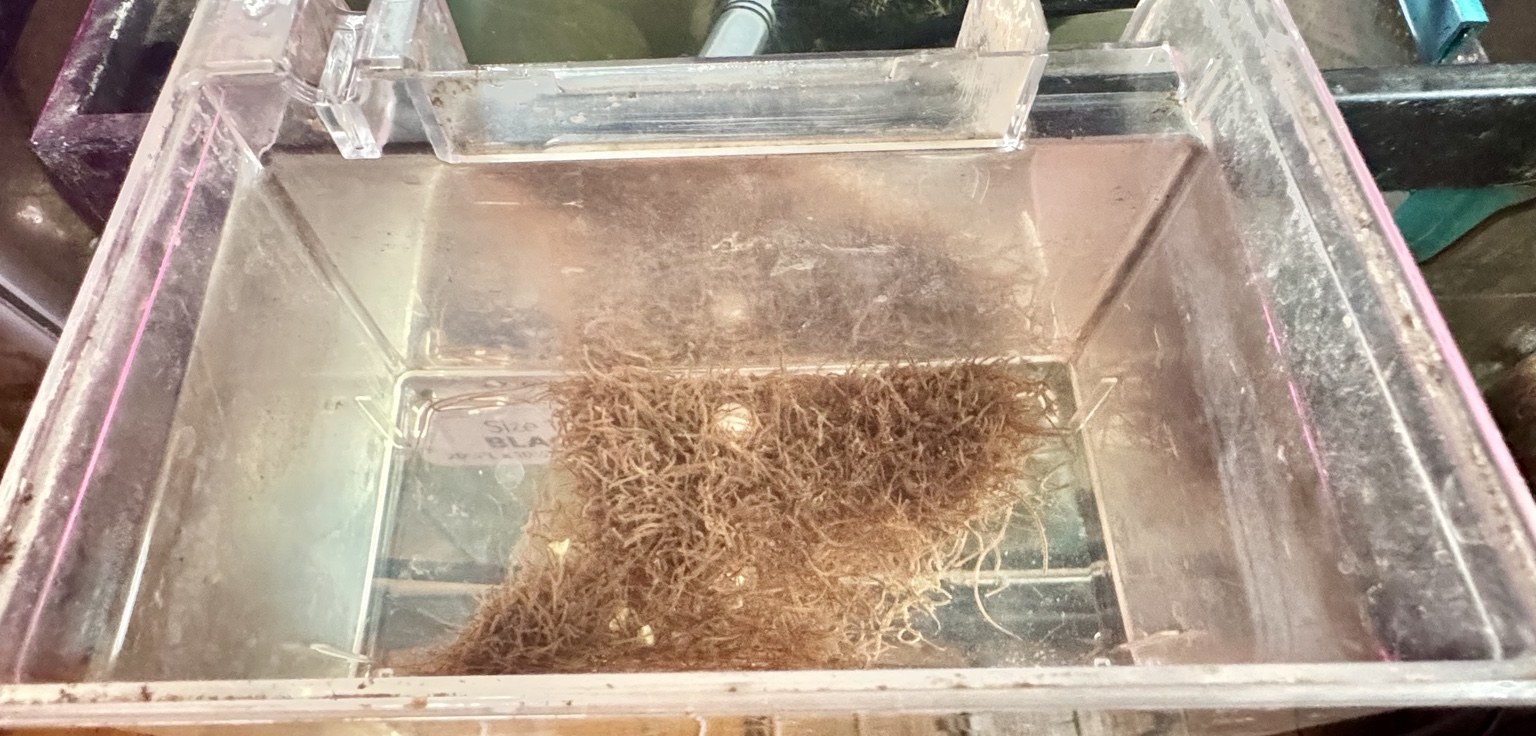
The Blackworm Breeder Box Method™ is a compact approach built around a shallow, accessible culture zone designed around the way blackworms live, anchor, feed and regenerate. It grew from years of practical culture work and from repeatedly watching what the worms themselves did under different conditions.

The method is designed to make blackworm culture more accessible to aquarists while keeping observation, feeding and harvesting practical. Current work goes beyond simply keeping worms alive and asks how the culture environment itself can be developed to support productivity.

This website intentionally presents the principles, evidence and research direction—not the complete recipe. Exact preparation, quantities, timing, feeding schedules and step-by-step protocols are reserved for Mandy's educational materials, workshops and book.

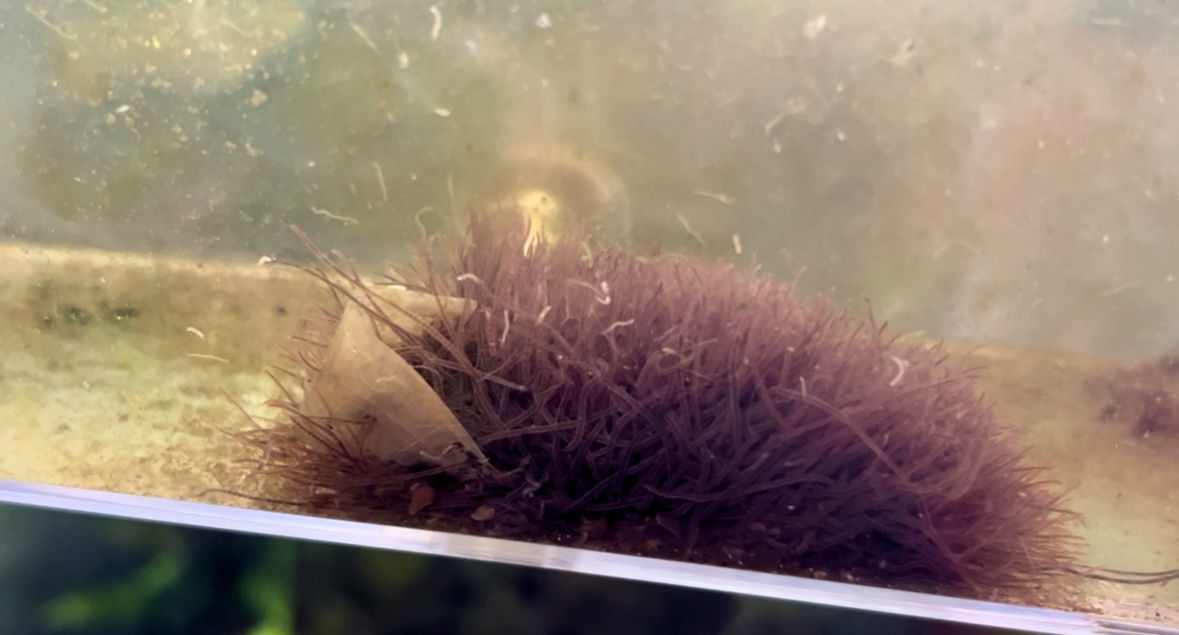
Dense live blackworm culture
REAL CULTURES. REAL RESULTS.

Built from repeated hands-on culture.

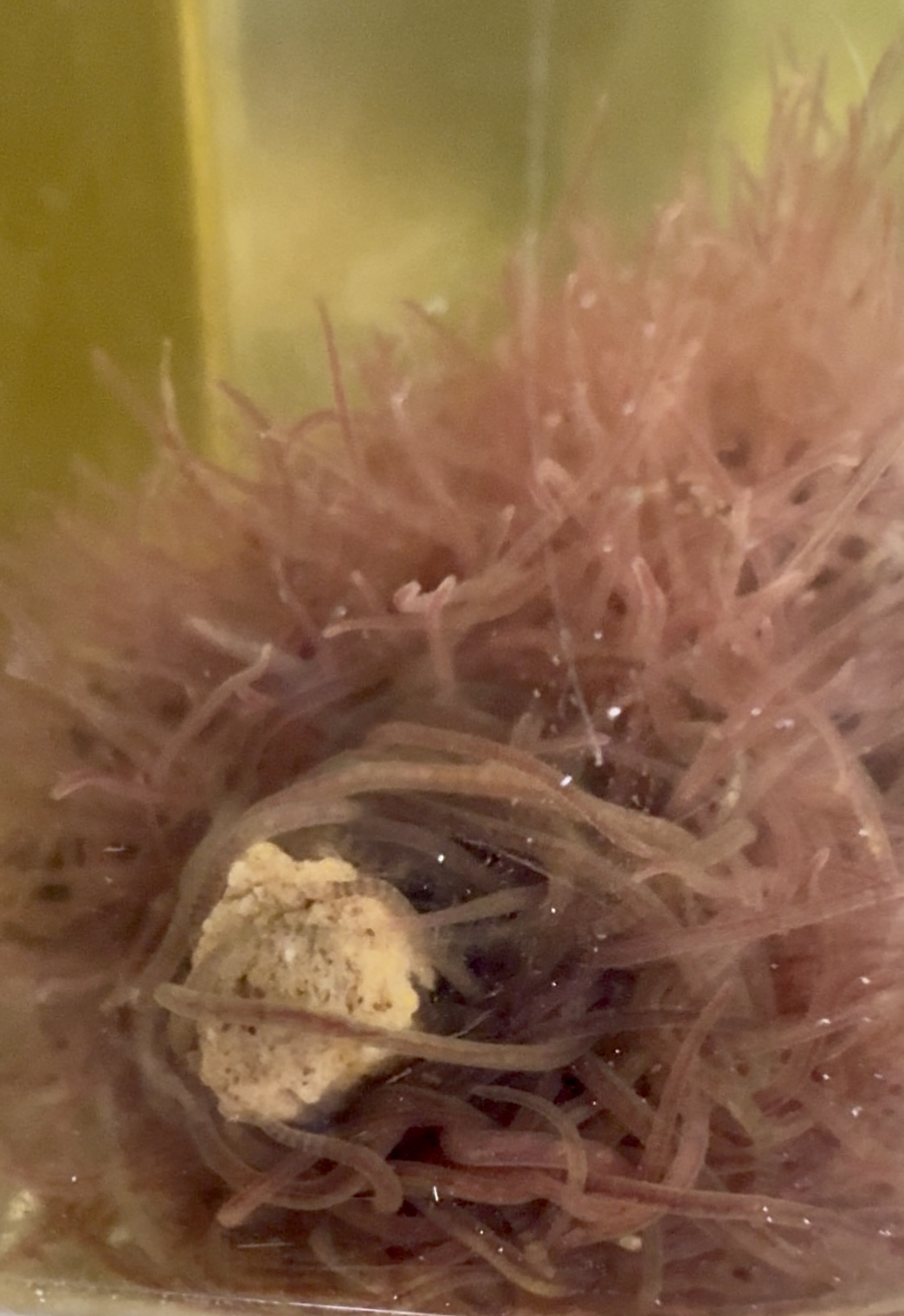
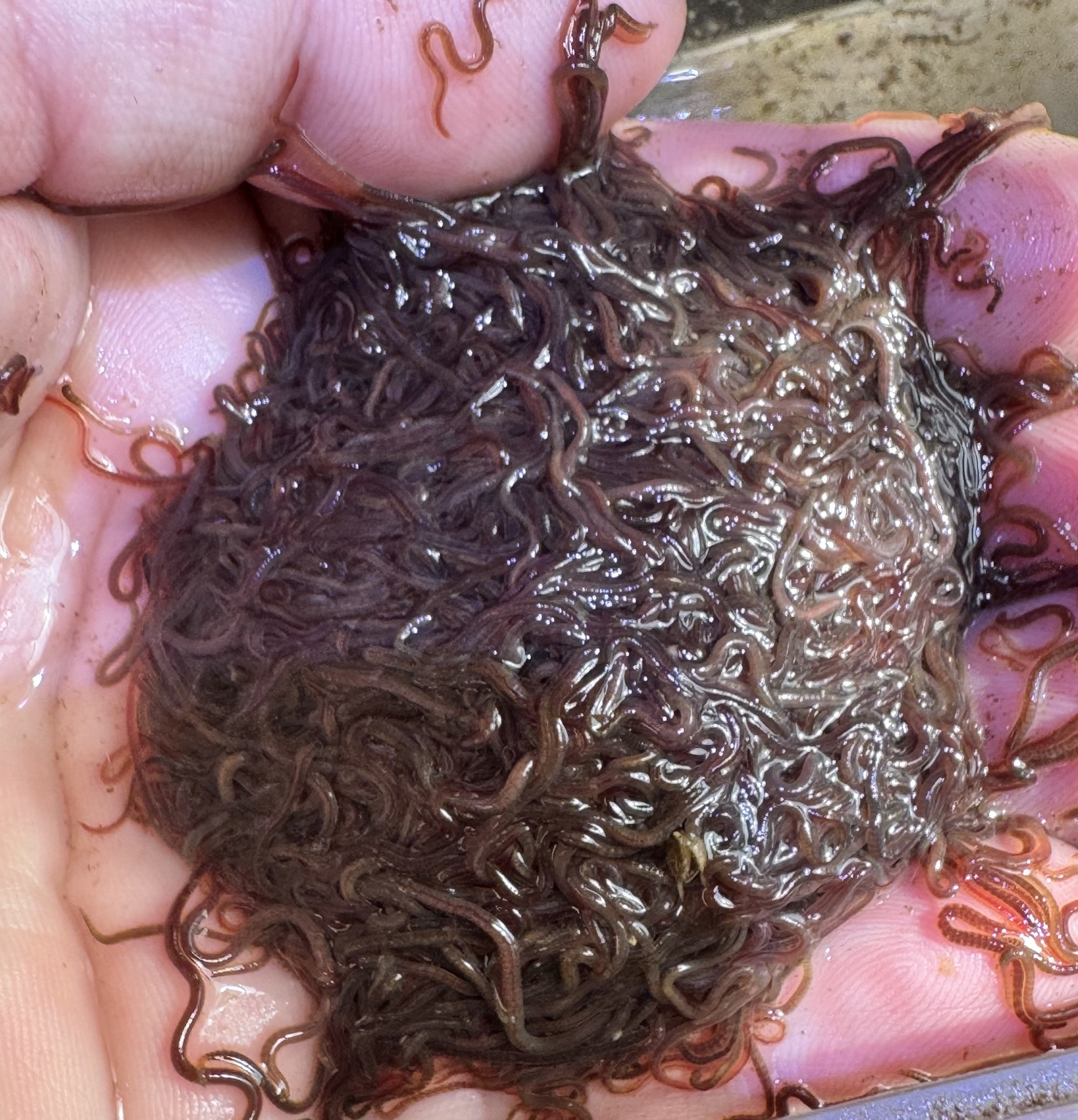
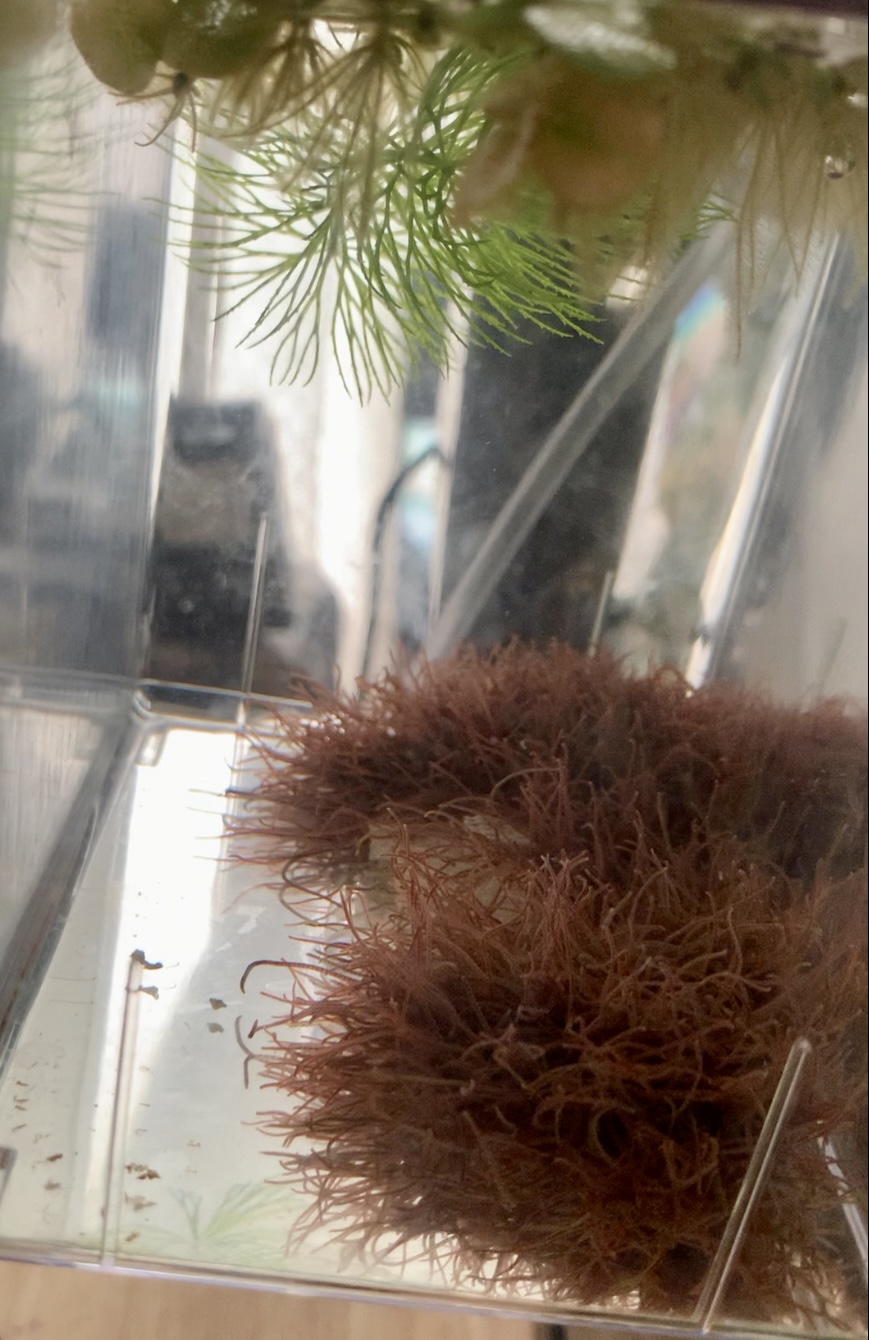
The photographs throughout this site document actual cultures and experiments—not stock photography.

Harvested live blackworms
6+ yearsof hands-on blackworm culture, observation and development
1 g → 5+ gobserved in a recent three-week culture trial without water changes
15.776 gcombined final biomass from four 1 g starting cultures in a 35-day comparison
High-density trialsincluding production of nearly a quarter of a pound in a very small experimental culture

These are Mandy Goan's experimental observations under specific culture conditions. Individual trials do not by themselves establish causation or guarantee that the same production rate will occur in every system.

RESEARCH & DEVELOPMENT

Rethinking how blackworms are cultured.

The Blackworm Breeder Box Method™ has grown into a continuing investigation of Lumbriculus variegatus behavior, nutrition, regeneration, microbial ecology, density and biomass production. The goal is to document what happens inside productive cultures, challenge assumptions when observations do not fit them, and turn those observations into increasingly controlled experiments.

The Biological Processing Layer (BPL)

One of the central research directions is the biologically active benthic layer in which the worms live. Repeated observations have shown major differences between newly prepared environments and mature, biologically active material. Current work examines substrate maturity, microbial development, organic matter, culture density and the relationship between worms and their benthic environment.

The working model is that this layer may function as more than physical substrate: it may act as habitat, a biological processing zone and part of a developing food web. That model remains an active area of testing rather than a claim of independent scientific validation.

Benthic Production Biofloc™ & Microbial Nutrition

Blackworms interact with more than the food visibly placed into a culture. This research adapts principles associated with conventional biofloc to the very different needs of a benthic animal—an animal that lives, anchors and feeds at the bottom.

Rather than asking hobbyists to manage a complicated suspended-floc system, the work focuses on developing biological activity where the worms actually live. A major question is whether successful culture is partly about feeding and developing the ecosystem that supports the worms—not simply adding more food directly to the worms.

Culture Density & Carrying Capacity

How much blackworm biomass can a small culture actually support? Density work examines the relationship among available biological resources, culture volume, worm behavior and biomass production. High-density cultures have produced results that justify testing carrying capacity as a biological question rather than assuming water volume alone sets the limit.

Nutrition & Biomass Production

Side-by-side feeding work has compared commercial foods and culture environments while measuring worm biomass. In one 35-day four-culture comparison, four 1-gram starting cultures produced a combined 15.776 grams. Individual treatments finished at different weights, but because food and substrate variables were paired, those differences cannot be attributed to a single ingredient or product.

Earlier comparisons also produced strong differences in biomass under the tested conditions. Those results are being used to design better-controlled follow-up experiments rather than to declare one food universally superior.

Substrate, Stone Size & Anchoring

Substrate experiments examine more than appearance. Current questions include how particle size affects anchoring, how easily worms can be harvested, and how different structures provide colonization area for biological communities. Estes supplied multiple aquarium-stone sizes for controlled comparisons addressing these questions.

Regeneration & Fragmentation

The regenerative ability of Lumbriculus variegatus is a major research focus. Mandy's culture work examines fragmentation, recovery, growth and the practical point at which regenerated worms again contribute meaningfully to culture biomass.

The question is no longer simply whether blackworms regenerate. The practical research question is whether regeneration can be intentionally incorporated into a productive, repeatable culture cycle without sacrificing worm condition.

Temperature, Oxygen, Flow & Behavior

Observations under changing environmental conditions have raised questions about common interpretations of blackworm behavior. Work has examined temperature exposure, water movement, low-flow conditions, substrate depth and the circumstances associated with worms climbing, floating, scattering or remaining settled.

Some observations have been surprising enough to justify controlled follow-up testing. They are presented as observations and research questions until they can be reproduced under better-controlled conditions.

Water Exchange & Biological Processing

Conventional high-density worm culture often treats water replacement as the primary tool for controlling accumulated waste. Mandy's experimental cultures are exploring a different question: can biological processing and microbial communities take on more of that work?

Recent low- and no-water-change trials have shown that productive cultures can persist under conditions very different from traditional high-exchange approaches. The research is now focused on understanding the limits and biological mechanisms rather than treating a single successful culture as proof of a universal rule.

Culture Start-Up, Stability & Transport

Recent work has also examined what happens during the vulnerable start-up and transport periods. Observations suggest that freshly established cultures can respond very differently from mature systems, and that immediate heavy protein feeding can be poorly tolerated even when biologically active material is present. Transport trials are also comparing freshly rinsed worms with worms given a recovery/stabilization period before shipping.

Product & Media Testing

Controlled comparisons increasingly include aquarium products and media supplied by industry partners. Fluval foods and ammonia-reducing media, Estes aquarium stones, MarinePure ceramic media and Hikari foods have all been incorporated into different phases of testing. Their inclusion in experiments does not mean the companies independently validate Mandy's conclusions.
Research standard: The site distinguishes direct observations, measured experimental results, practical conclusions and working hypotheses. Exact formulations, quantities, preparation procedures, feeding schedules and complete culture protocols are intentionally not published here.
BENTHIC PRODUCTION BIOFLOC™

Biofloc principles—rebuilt around the blackworm.

Conventional biofloc systems can involve suspended microbial material, calculations, active management and specialized equipment. Mandy took the underlying biological idea and asked a different question: what would biofloc look like if it were designed specifically around an animal that naturally lives and feeds at the bottom?

The result is what Mandy calls Benthic Production Biofloc™—an adaptation of biofloc principles for the Blackworm Breeder Box Method™. Instead of forcing blackworms into a conventional suspended-floc system, the approach concentrates attention on the productive benthic environment where the worms live.

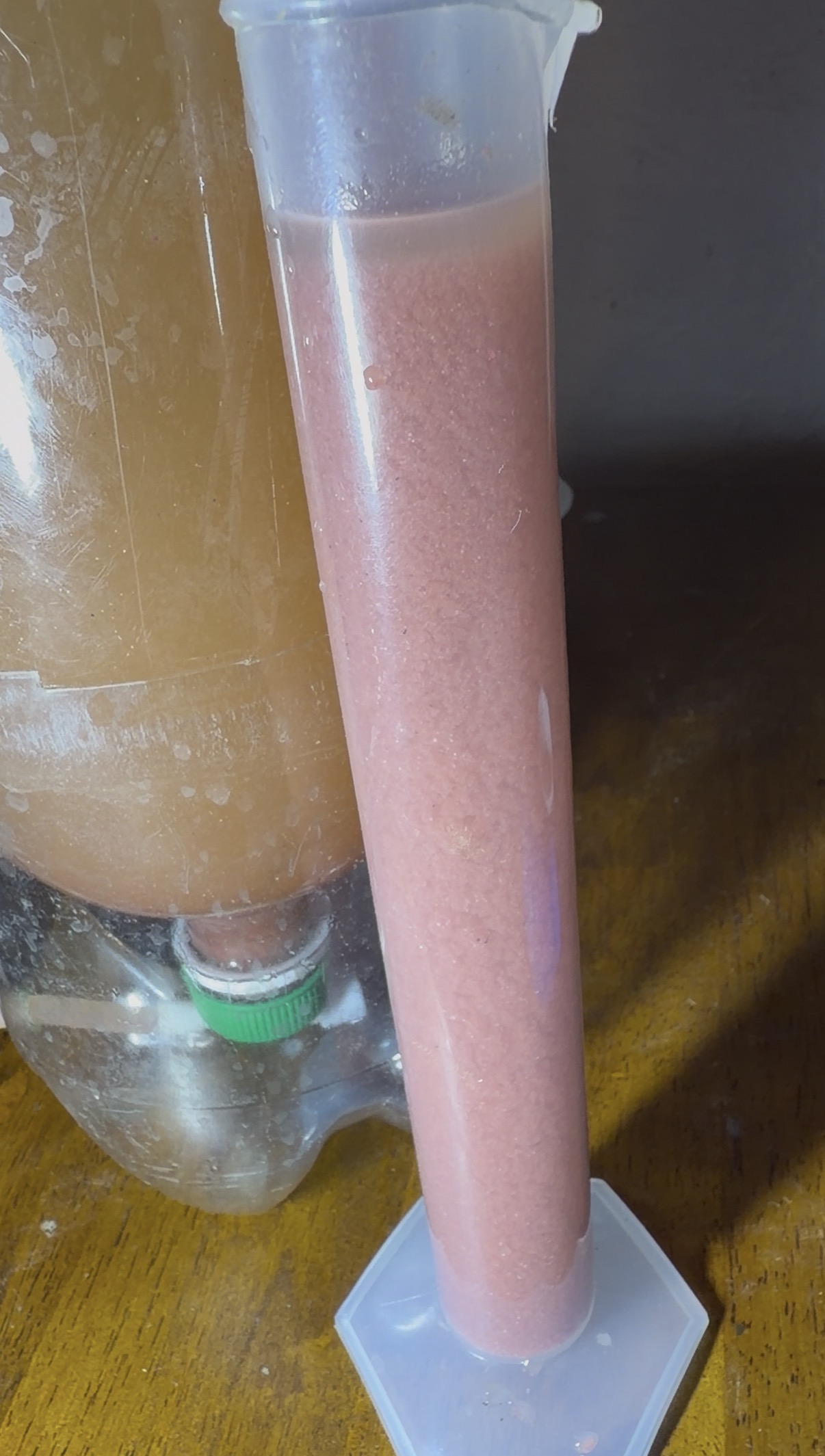
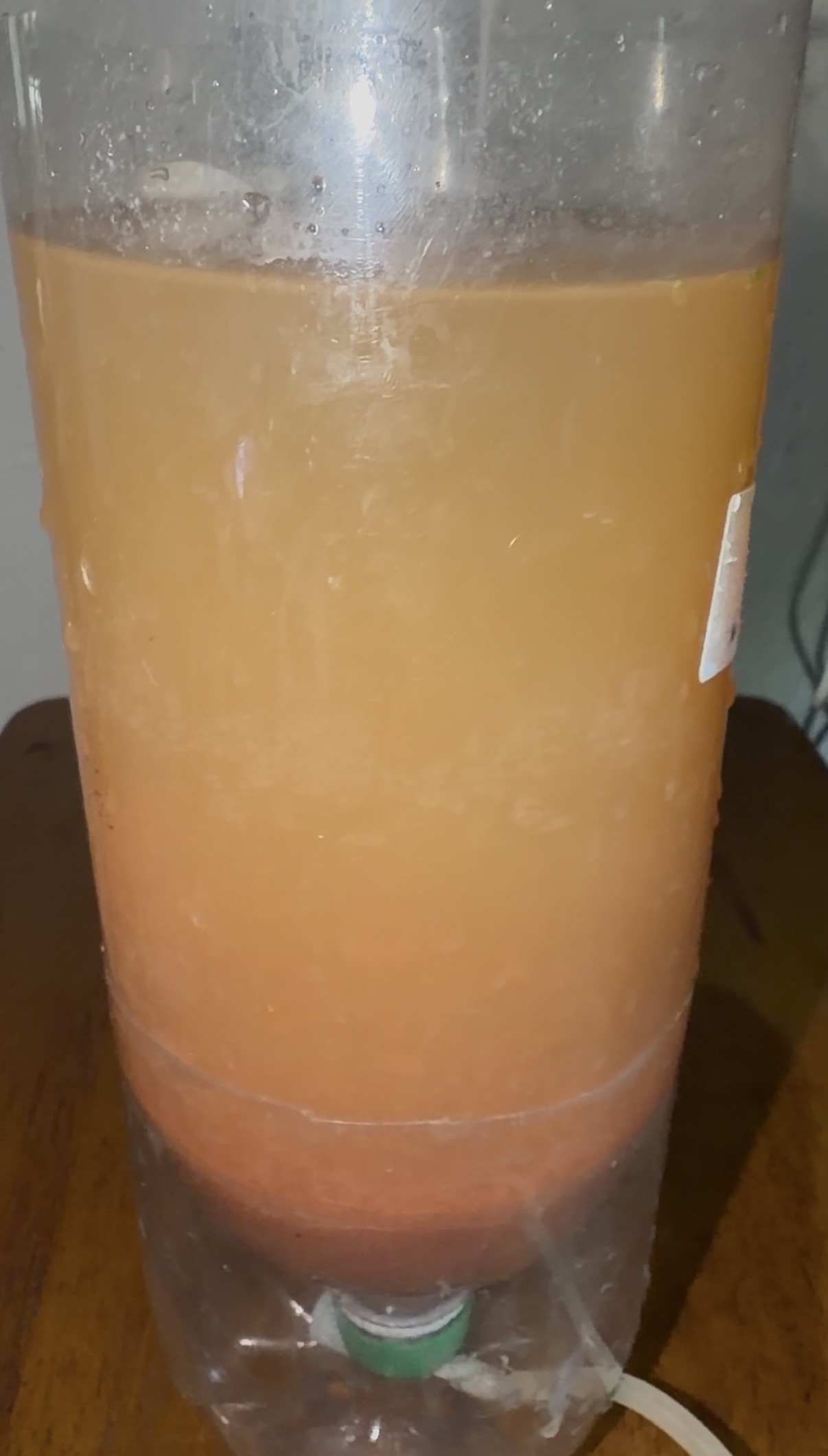
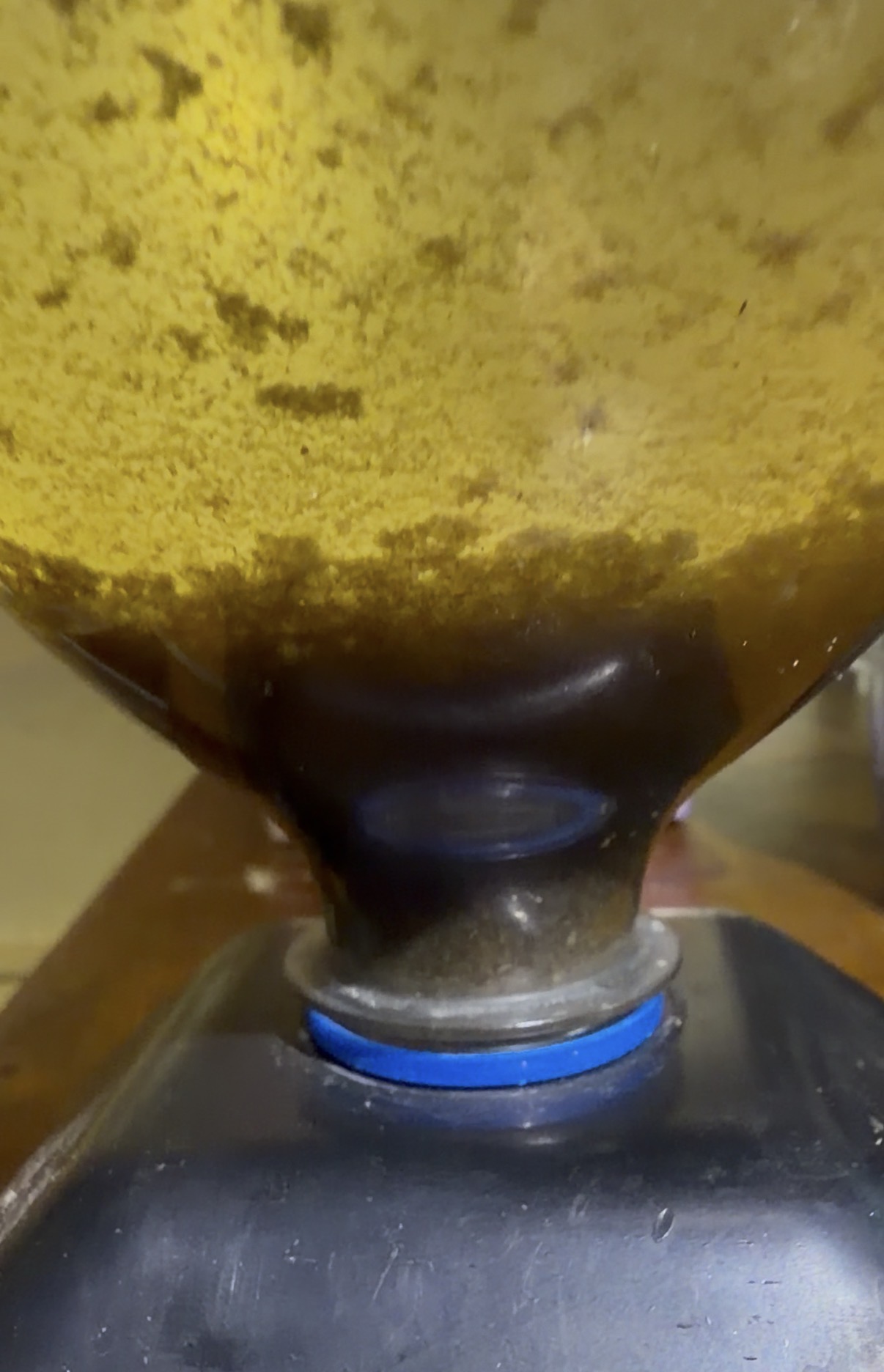
The Biological Processing Layer is central to that work. Organic material, microorganisms and associated microfauna are developed as part of a living bottom environment that can participate in nutrient processing while potentially contributing biological nutrition to the culture.

Just as importantly, the system is being translated into something a home aquarist can understand and repeat. The goal is no complicated math, no laboratory equipment and no specialized technology just to get started. The basic tools are the same kinds of tools aquarium hobbyists already use.

Mandy's goal is to take complex biology and turn it into clear, practical directions without stripping away the science behind why the system works.

Complex biology. Simple application. Built around the blackworm.
The exact carbon inputs, formulations, preparation sequence, dosing, conditioning and culture protocol are not published on this website.
Experimental benthic production biofloc material in a graduated cylinderExperimental biological culture systemClose view of biologically active experimental material
PRODUCTS & DEVELOPMENT

Turning research into practical blackworm culture tools.

The goal of product development is the same as the method itself: make productive blackworm culture easier to start, easier to understand and easier to repeat without turning it into a laboratory project.

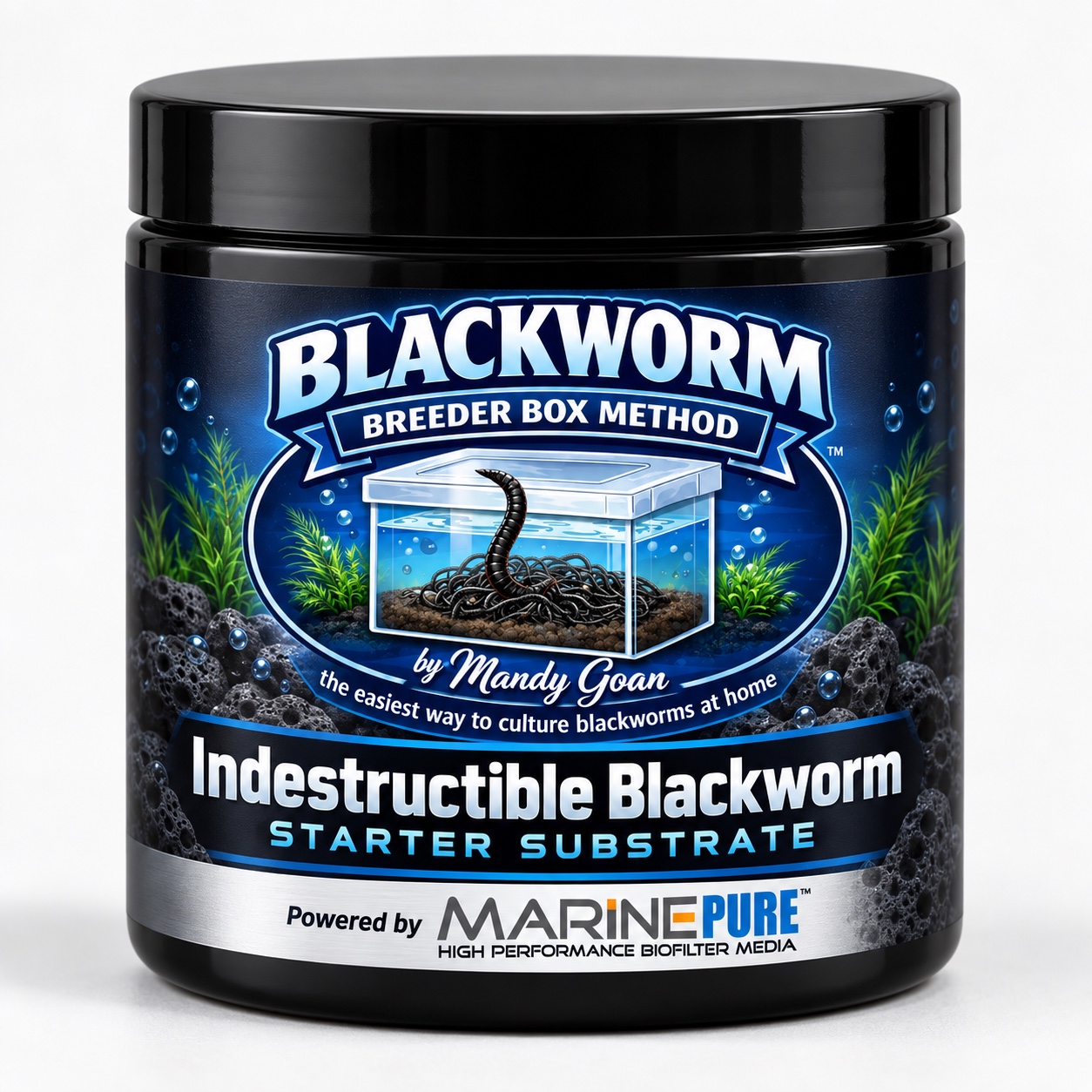
Indestructible Blackworm Starter Substrate powered by MarinePure
SAMPLES AVAILABLE NOW

Indestructible Blackworm Starter Substrate

Developed with MarinePure materials for use with the Blackworm Breeder Box Method™, this starter substrate is part of Mandy's work on building a durable, biologically useful environment for blackworm culture.

Samples are currently available only through in-person Blackworm Breeder Box Method™ workshops and the Breeder Box Method Patreon page.

Visit Patreon →

In the Works: Blackworm Biological Processing Layer Powder

A scoop-ready Biological Processing Layer product is in the works. The goal is to make establishing and supporting the benthic biological environment even simpler for home aquarists. Development details, formulation and packaging are not being released yet.

Purpose-Built Breeder Box

The method began with readily available external breeder boxes because they create a shallow, accessible culture area while integrating easily with an aquarium. A purpose-built version is a future development goal, including exploration of injection-molded and premium acrylic manufacturing options.

Retail & Workshop Applications

The project is exploring systems that aquarium stores, clubs and educators can use to maintain, feed, demonstrate and harvest live blackworms in a practical format. MarinePure Pods are also being explored as a simple surface and handling tool for store culture, feeding and harvesting applications.

Research Becomes Practical Tools

Product ideas are being developed from observed culture problems—not the other way around. Substrate structure, microbial development, feeding, biological processing, harvesting and culture stability are all being studied first so future products can solve specific problems for blackworm keepers.

WORKSHOPS & SPEAKING

See the method in person.

Mandy presents the Blackworm Breeder Box Method™ to aquarium clubs and other groups through talks and hands-on workshops. The typical program combines a presentation with live demonstration and audience Q&A, connecting practical culture with the research observations behind it.

Hands-on workshops allow participants to see the system, the worms and the culture environment directly rather than trying to reconstruct the method from a short online description.

Invite Mandy to Speak
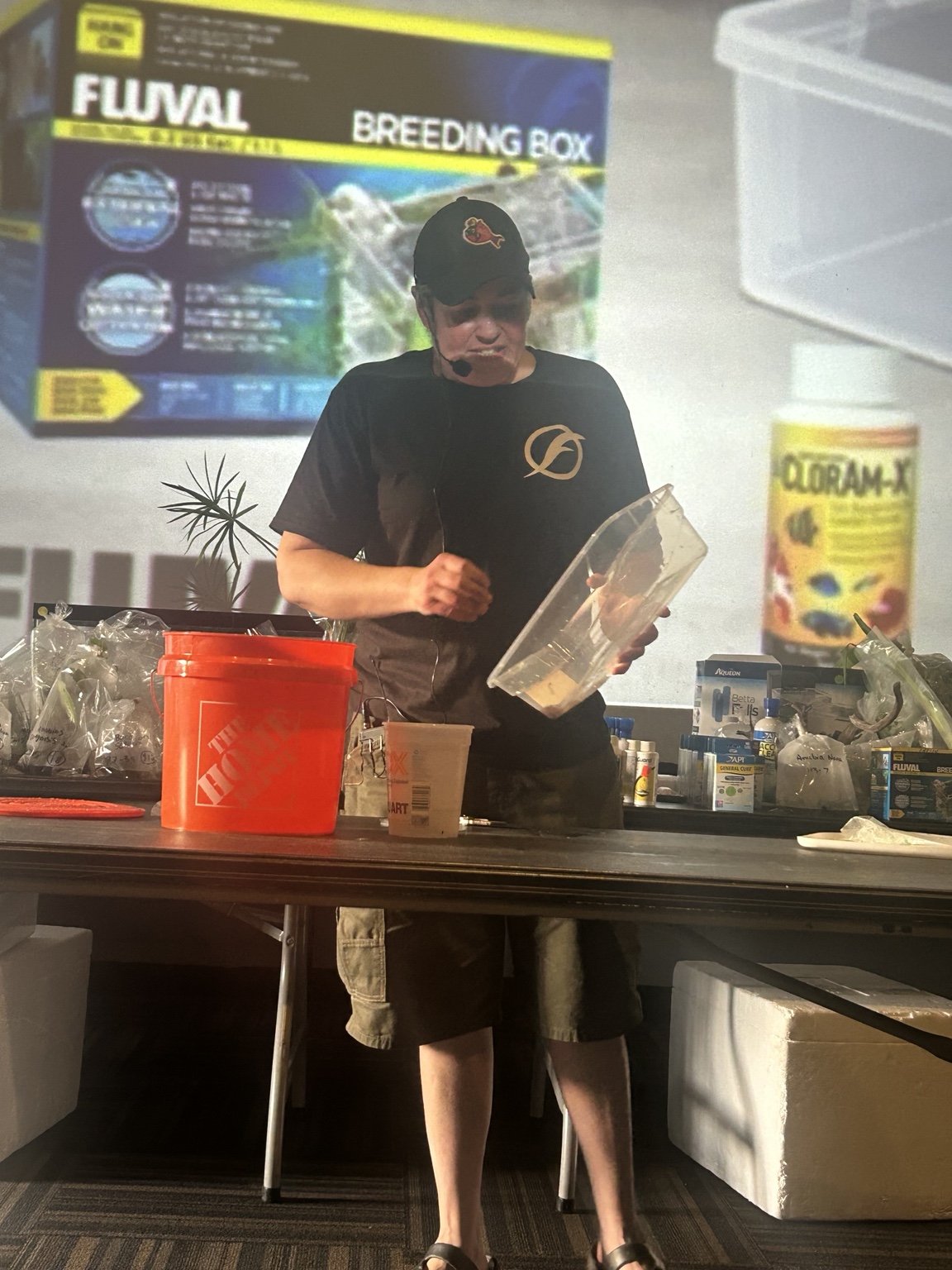
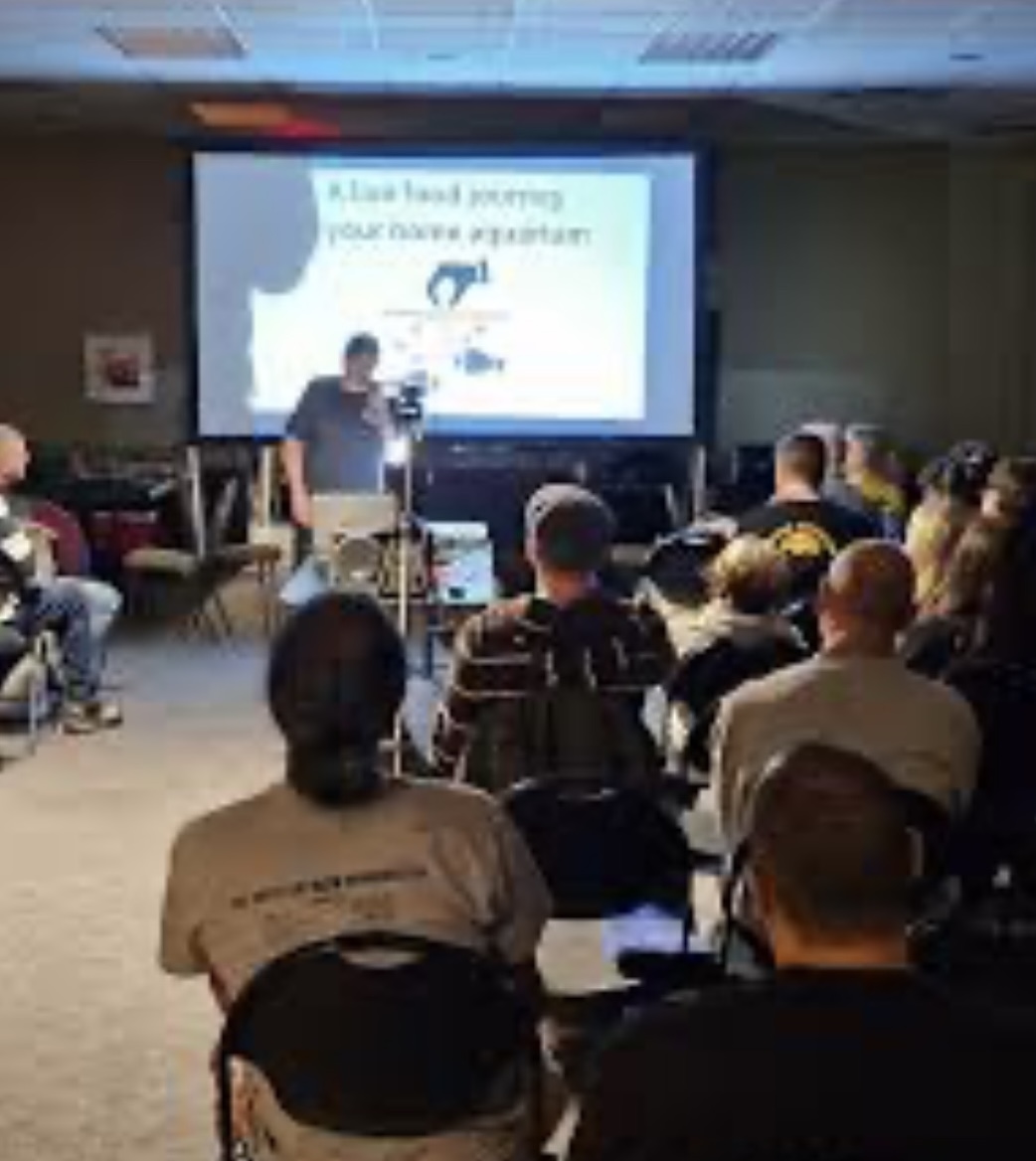
Mandy Goan demonstrating a breeder box during a presentationAudience attending a blackworm presentation
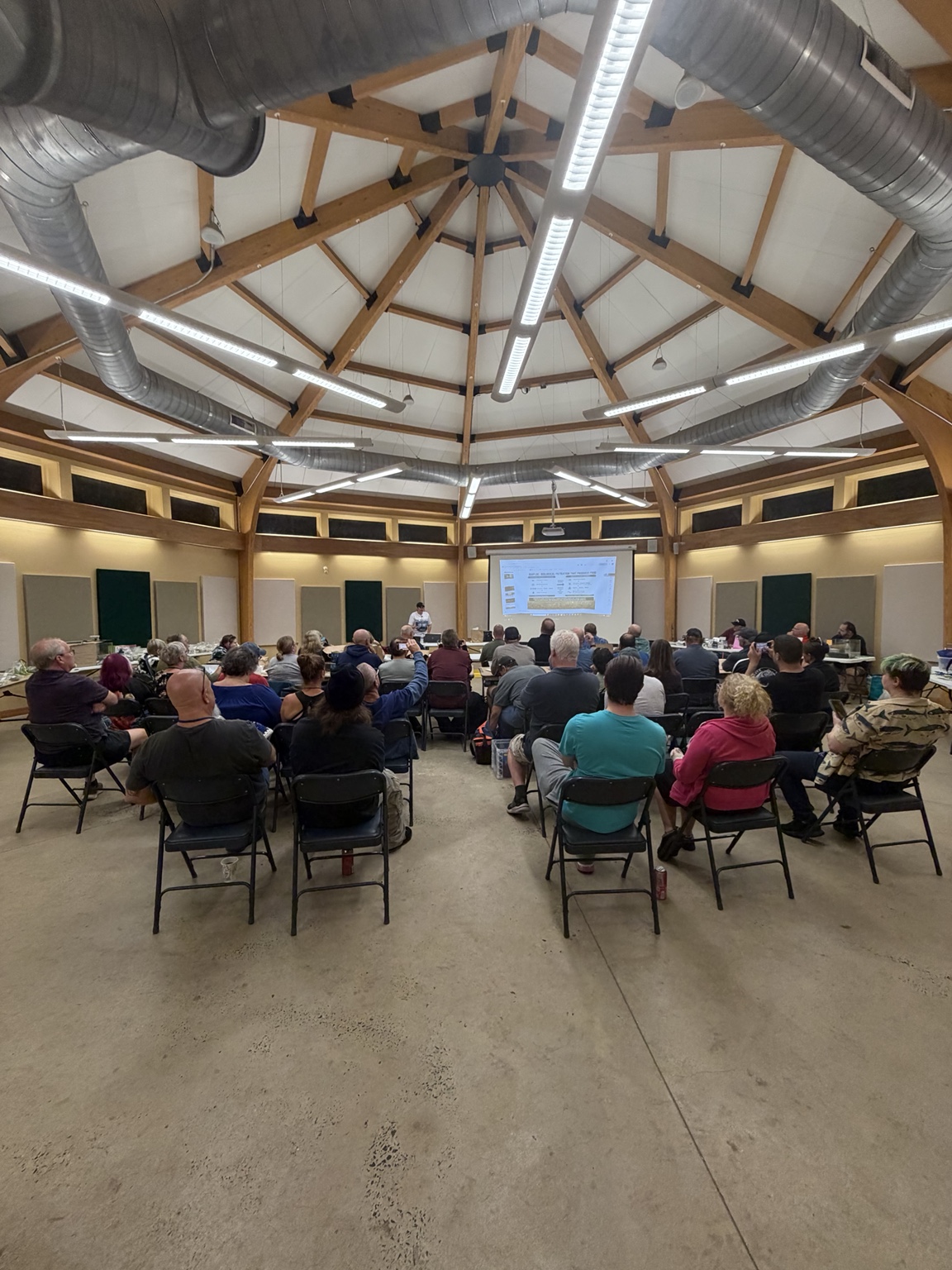
Aquarium club workshop audience
WORKSHOP SUPPORTERS & INDUSTRY PARTNERS

Industry support for hands-on education and testing.

Product and material contributions from aquarium-industry companies help support demonstrations, comparisons, product development and educational workshops connected with the Blackworm Breeder Box Method™.

Interested in supporting the project?

Manufacturers and aquarium-industry companies interested in product testing, educational partnerships, workshop support, materials research or future product development are invited to connect.

Industry & Collaboration Inquiries
VIDEOS, MEDIA & COMMUNITY

Follow the work as it develops.

The project extends beyond the website through video, aquarium-club presentations, community discussion, publication and ongoing experiment updates.

YouTube

Video makes it possible to show live worm behavior, culture density, harvesting and experimental observations that still photographs cannot capture. Selected research and culture videos are shared through Mandy's YouTube presence.

Visit the Blackworm Breeder Box Method YouTube channel →

AMAZONAS Magazine

Mandy's Blackworm Breeder Box Method has been featured in AMAZONAS Magazine, bringing the method and the continuing work to a wider aquarium audience.

Patreon

Patreon provides a place for followers to stay closer to product development, special opportunities and project updates, including limited blackworm availability when offered.

Visit the Breeder Box Method Patreon →

Discord Community

Join the Blackworm Breeder Box Method community on Discord for discussion, questions, updates and live community education.

Join the Discord community →

Community Education

The project includes live Q&A, club education and community discussion designed to help aquarists understand blackworm biology and culture while giving Mandy a growing stream of real-world questions and observations to investigate.

THE BOOK

The website shows the research. The book teaches the method.

This website is intentionally a cliff-notes version of a much larger body of work. It documents the questions, selected results and direction of the project without publishing enough procedural detail to replace the complete educational material.

The book brings together the practical culture system, observations, biology, troubleshooting, regeneration, biological processing and the reasoning behind the method in a much more complete form.

Live blackworms from an active culture
ABOUT MANDY GOAN

Changing how home blackworm culture is approached.

Mandy Goan is the originator of the Blackworm Breeder Box Method™ and has more than six years of hands-on experience culturing, observing and experimenting with live blackworms.

Her work—especially culturing blackworms at home, on a small scale and in an extremely small volume of water—represents a fundamental change in the way she approaches keeping and producing live blackworms. Instead of accepting assumptions about large water volumes, heavy water exchange and traditional waste removal, she has repeatedly asked what happens when the culture is designed around the biology and natural behavior of the worm.

That work has changed nearly every part of her approach: how blackworms are housed, how they are fed, how their biological environment is managed, how dense cultures are supported, how they are harvested, and how regeneration can be incorporated into production.

Mandy considers the work revolutionary for small-scale home blackworm culture because it is not simply a different container—it is a different way of thinking about the culture itself: less water, smaller spaces, different biological management and a system built around the blackworm.

She is President and Founder of the Aquarium Club of Maryland and presents blackworm culture and aquatic-plant topics to aquarium organizations. Her work has expanded into hands-on workshops, product development, industry collaborations, publication and continuing research. She has also discussed blackworm research questions with university researchers while working to connect practical observations with more formal scientific investigation; those conversations are not represented as independent validation of her findings.

INDUSTRY, RESEARCH & MANUFACTURING

Interested in collaboration?

The project welcomes conversations with manufacturers, researchers, educators, aquarium organizations and media interested in blackworm culture, controlled testing, workshops, product development or purpose-built culture hardware.

Current goals include expanding controlled experimentation, documenting reproducibility, developing practical culture products and exploring manufacturing options for dedicated breeder-box hardware.

Start a Conversation
CONTACT & CONNECT

Bring the Blackworm Breeder Box Method™ to your audience.

Speaking, workshops, research collaboration, manufacturing, industry support, product-development and media inquiries are welcome.

Email: Blackwormbreederboxmethod@gmail.com